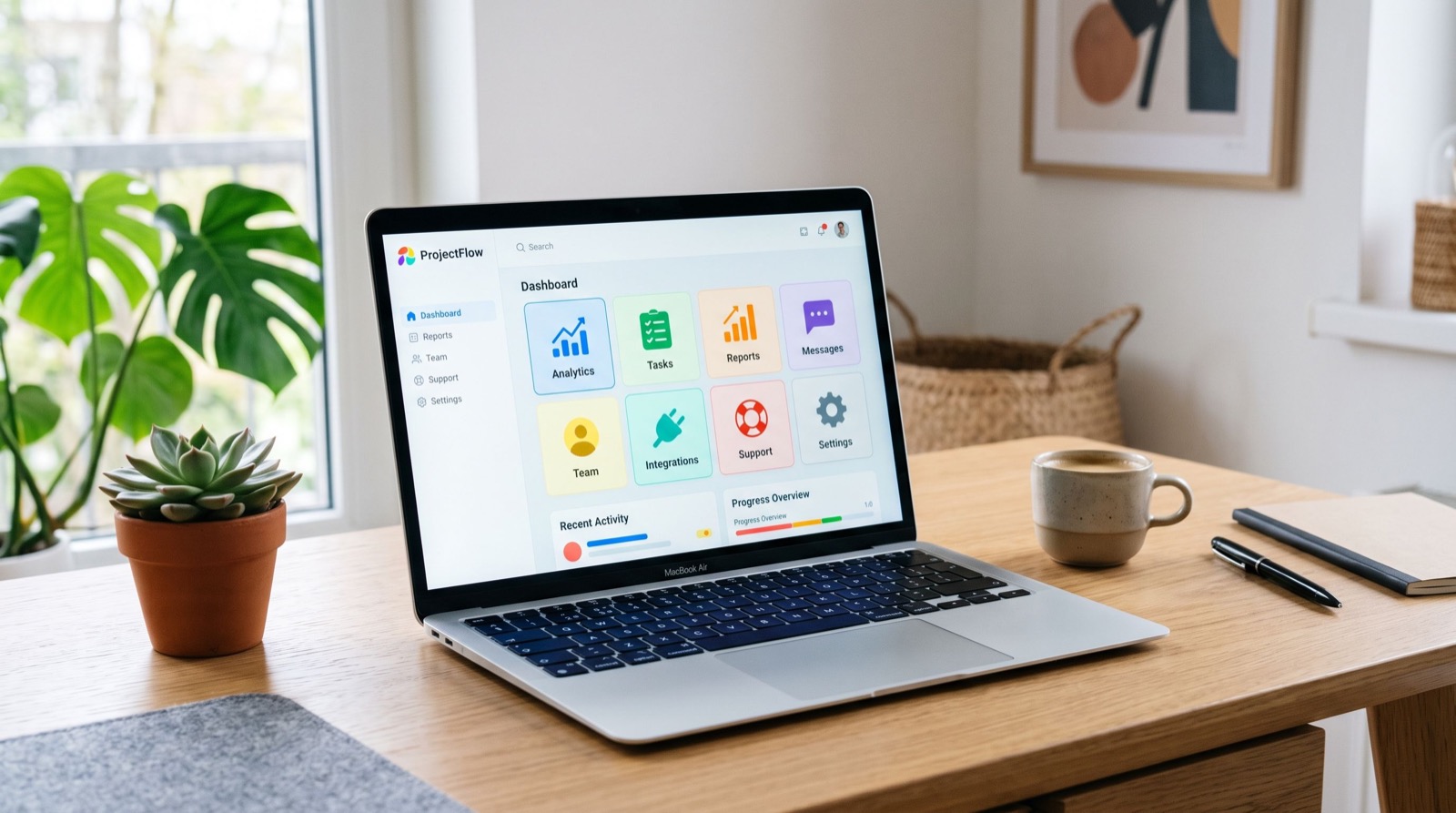

Your smartphone already runs your calendar, your photos, and your messages. In 2026, it can also quietly run your finances, from your first budget to your first investment. The best money apps have made wealth-building tools that were once reserved for the wealthy available to anyone with a checking account. This guide maps out how to use them, in order, to grow from paycheck-to-paycheck to genuinely secure.
The Money App Journey, Stage by Stage
Financial progress is a ladder, not a leap. Trying to invest before you have a budget is like building a roof before the walls. Each app you add should match the stage you are actually in.
Rushing ahead is the most common mistake. People download an investing app while still drowning in overdraft fees, then wonder why nothing improves. Sequence matters.
To see which tools belong at each rung, a curated overview of the best money apps lays out exactly which app solves which problem so you never waste a download.
Stage One: See Where Your Money Goes
Everything starts with visibility. A budgeting app that connects to your accounts and categorizes spending turns vague anxiety into clear data. You cannot fix what you cannot see.
Set Meaningful Alerts
Configure notifications for low balances and large transactions. These small nudges prevent overdrafts and catch fraud early, saving you real money in the very first month.
Review Weekly, Not Yearly
A five-minute weekly check-in keeps your budget alive. Monthly reviews are too late to change behavior, and yearly reviews are just autopsies. Frequency beats intensity.
Stage Two: Automate Saving and Kill Debt
Once you can see your money, put it on rails. Automatic transfers move cash to savings before you can spend it, and automated debt payments protect your credit score from costly slip-ups.
Your credit score quietly shapes the interest you pay on cars, homes, and cards. The Consumer Financial Protection Bureau explains how payment history and balances drive that number, and why on-time automation is one of the highest-leverage habits you can build.
Comparing Apps for Each Financial Stage
Different goals call for different tools. This table pairs each stage of your journey with the type of app that serves it best, so you always know your next move.
| Stage | Goal | App Type | Success Marker |
|---|---|---|---|
| 1 | Visibility | Budget tracker | No surprise overdrafts |
| 2 | Stability | Auto-save and debt tools | Growing cushion |
| 3 | Growth | Investing app | Money invested monthly |
| 4 | Optimization | Cashback and rewards | Fewer wasted dollars |
Use the success markers as checkpoints. Do not climb to the next rung until you have genuinely reached the one below it.
Stage Three: Start Investing With Small Money
Investing is no longer gated behind large minimums. Fractional shares let you buy a slice of any company for a few dollars, and automated contributions build the habit without willpower.
- Open a low-fee brokerage or robo-advisor account.
- Set a small recurring contribution, even $20 per paycheck.
- Choose a diversified fund rather than chasing hot stocks.
- Ignore daily swings and let compounding do the work.
Consistency beats timing. A modest amount invested every month for years typically outperforms sporadic large bets driven by headlines and hype.
Stage Four: Squeeze More From Every Dollar
Once your foundation is solid, optimization becomes the game. This is where cashback, rewards, and smart card use quietly boost your effective income without extra work.
Route recurring bills through a rewards card you pay off in full each month, and let cashback apps refund a slice of your everyday spending. These small percentages compound into hundreds of dollars a year for a disciplined household.
Reinvest the Savings
The people who benefit most do not spend their rewards. They funnel cashback and refunds straight back into savings or investments, turning small optimizations into long-term growth that keeps working for decades.
How Long Does the Journey Actually Take?
There is no universal timeline, but the pattern is remarkably consistent across people who stick with it. The first month is about visibility, and progress feels slow because you are mostly collecting data.
By month three, automated saving has usually produced a visible cushion, and the habit starts to feel effortless. Somewhere between months six and twelve, most people begin investing regularly and watch their net worth turn positive or climb steadily.
The key insight is that the early stages feel unrewarding precisely because they are foundational. Push through the quiet weeks, and the compounding stage arrives sooner than you expect. Patience early pays enormous dividends later.
Which Money Apps Should You Trust With Your Data?
Security is non-negotiable when apps touch your accounts. Look for bank-level encryption, two-factor authentication, and partnerships with insured institutions before you link anything.
Read recent reviews, check the developer’s track record, and be wary of apps that request more permissions than they need. When you finally shortlist the money apps that meet these standards, you can automate with confidence instead of anxiety.
Before you connect anything, take two minutes to read the app’s privacy policy and confirm it does not sell your transaction data to third parties. The strongest apps are transparent about exactly what they collect and why, and they let you delete your data on request.
For complex milestones like buying a home or planning retirement, pair your apps with reputable service experts who tailor advice to your situation rather than selling a one-size-fits-all product. Apps handle the day-to-day automation; a human professional helps with the big, irreversible decisions.
Frequently Asked Questions
What order should I add money apps in?
Begin with a budgeting app for visibility, add automated saving and debt tools for stability, then introduce an investing app for growth. Layer cashback and rewards last, once the fundamentals run on autopilot.
Can I really start investing with just $20?
Yes. Fractional shares and robo-advisors let you invest tiny amounts consistently. The habit and the compounding over time matter far more than the size of any single contribution.
How do money apps affect my credit score?
Apps do not directly change your score, but automating on-time payments protects your payment history, which is the biggest factor. Some apps also let you monitor your score for free so you can track progress.
Are my accounts safe when I link them to apps?
Reputable apps use encryption and secure connections rather than storing your login. Enable two-factor authentication, review app permissions, and stick to well-reviewed apps from official stores to keep your data protected.
Climb One Rung at a Time
You do not need to master every financial tool overnight. Identify your current stage, install the one app that matches it, and prove the habit before moving up. Follow this ladder with the best money apps guiding each step, and 2026 can be the year you quietly move from surviving to thriving. Start with visibility today, and let each rung carry you higher.