Furniture Disassembly for Moving: A Practical 2026 Guide
Furniture disassembly for moving protects your biggest, bulkiest pieces and makes them far easier to transport. Beds, wardrobes, and dining tables that seem impossible to shift become manageable once you take them apart correctly. This 2026 guide shows you how to disassemble and reassemble furniture safely, keep every screw accounted for, and avoid the damage that ruins so many moves.
Done right, disassembly saves space in the truck, prevents scratched walls, and speeds up your whole move. Done wrong, it leaves you with wobbly furniture and missing parts that are frustrating and sometimes expensive to replace. Let us get it right.
The good news is that furniture disassembly follows a repeatable process anyone can master. With the correct tools, a clear method, and a system for tracking small parts, even a nervous first-timer can take apart a bed or wardrobe and put it back together flawlessly at the other end.
Why Furniture Disassembly Matters
Large furniture rarely fits through doorways, stairwells, and lifts in one piece. Forcing it causes dents in walls, scuffs on frames, and strained backs. Taking pieces apart removes that risk entirely.
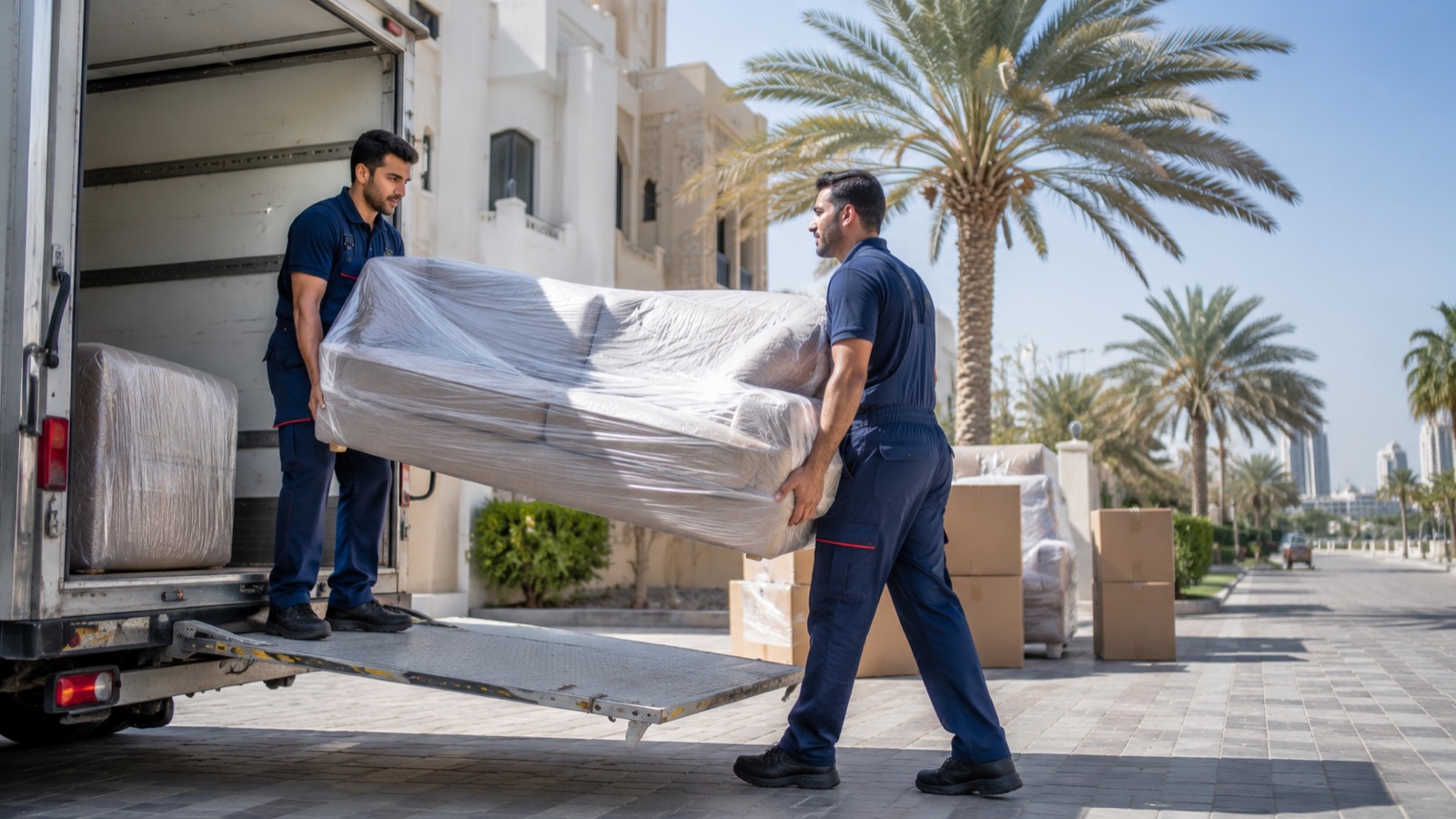
It also protects the furniture itself. A flat-packed wardrobe travels safely, while an assembled one twists and stresses at the joints. Apartment residents in towers like JLT know this well, since tight lifts demand smart disassembly. The apartment movers JLT teams disassemble as standard for exactly this reason.
Which items usually need disassembly
- Bed frames and headboards
- Wardrobes and large cabinets
- Dining tables with detachable legs
- Modular and sectional sofas
- Desks, bookshelves, and TV units
- Cots, cribs, and bunk beds
How to Disassemble Furniture Correctly
Follow a consistent method and reassembly becomes effortless. Rushing is where people lose parts.
- Photograph the piece from several angles before you start.
- Gather the correct tools: Allen keys, screwdrivers, and a spanner.
- Remove drawers, shelves, and glass first, then wrap them.
- Unscrew methodically, working top to bottom.
- Bag all screws and fittings, then tape the bag to the item.
- Label each part so it matches the right piece.
- Wrap panels in blankets to protect edges and finishes.
Tools You Need for the Job
The right kit makes disassembly quick and safe. This table lists the essentials.
| Tool | Used For | Why It Helps |
|---|---|---|
| Allen key set | Flat-pack furniture | Fits most modern fittings |
| Screwdriver set | Screws and brackets | Handles varied screw heads |
| Adjustable spanner | Bolts and nuts | Loosens bed and table joints |
| Resealable bags | Screws and fittings | Keeps small parts together |
| Moving blankets | Panels and surfaces | Prevents scratches and dents |
Reassembly at Your New Home
Reassembly is disassembly in reverse, and your photos make it simple. Retrieve the labelled parts and matching screw bags, then rebuild from the base upward. Tighten everything fully, and check that each piece is stable before you load it up or place it against a wall.
If a joint feels loose, do not force it. Instead, back the screw out and realign. Working with reliable local experts means trained crews handle this for you, rebuilding your furniture correctly and quickly. For safe lifting technique that prevents injury during heavy reassembly, the guidance from OSHA on ergonomics and lifting is a trusted reference.
Pairing Disassembly With Other Move Services
Furniture disassembly often pairs well with other moving-related work. Many families schedule fresh paint before furniture arrives, so walls look flawless from day one. If you plan to refresh the new home, professional apartment painting Dubai services can finish the walls before your reassembled furniture goes in, saving you from covering everything twice.
Protecting Disassembled Parts in Transit
Taking furniture apart is only half the job. Protecting each panel, leg, and fitting during the journey ensures the pieces arrive ready to rebuild. Loose parts rattling around a truck get scratched, dented, or lost, undoing all your careful work.
Wrap flat panels individually. Cover each large surface with a moving blanket or foam sheet, then secure it with tape or stretch wrap that does not touch the finish directly. This shields corners and edges, which take the most abuse in transit.
Bundle long parts together. Bed rails, table legs, and shelf supports travel best when strapped into a neat bundle. This keeps them from sliding and makes them easy to identify when you rebuild the piece later.
Keep the hardware secure. Tape the labelled screw bag firmly to its matching part, or gather all bags into one clearly marked “hardware” box that you personally track. Losing the fittings can turn a simple rebuild into a frustrating trip to the hardware store.
Load disassembled parts upright and snug. Stand panels against the truck walls, packed tightly so they cannot shift, and place them away from heavy items that could crush them. Careful loading is the final safeguard for a scratch-free reassembly.
Transit protection checklist
- Wrap each panel in a blanket or foam
- Bundle long parts like rails and legs
- Tape hardware bags to their matching parts
- Load panels upright and packed tight
- Keep heavy items away from wrapped pieces
Frequently Asked Questions
Do movers disassemble and reassemble furniture?
Yes, most professional movers offer disassembly and reassembly. They dismantle beds, wardrobes, and tables before transport, then rebuild them at your new home using labelled parts and saved fittings.
How do I avoid losing screws during furniture disassembly?
Place all screws and fittings in a resealable bag, label it, and tape it to the matching furniture piece. This simple habit keeps every part with its item and prevents frustrating losses.
Should I take photos before disassembling furniture?
Absolutely. Photographing each piece from several angles before you start gives you a clear reference for reassembly, making the rebuild faster and reducing the chance of costly mistakes.
Which furniture should not be disassembled?
Solid, glued, or antique pieces are often best left intact and blanket-wrapped instead. Forcing them apart can weaken joints permanently, so wrap and move them whole where possible.
Final Thoughts
Furniture disassembly for moving protects your walls, your back, and your belongings. Photograph each piece, keep screws bagged and labelled, wrap panels carefully, and reassemble from the base up. Whether you tackle it yourself or hand it to a trusted crew, this 2026 approach keeps your furniture safe and your Dubai move smooth from start to finish.